

I belong to an exclusive organization that I hope you will never be eligible to join. It’s called Parents of Murdered Children and it provides support and assistance to all survivors of homicide victims, including, in my case, children of murdered parents. Beverly Warnock, POMC’s Executive Director—who is not a survivor herself—has been a dedicated advocate for victims’ rights since 1995. Murdered fathers, mothers, sisters, brothers—you’ll find them all on The Murder Wall...Honoring Their Memories, POMC’s traveling tribute honoring the memory of all murdered loved ones.
Some may be offended by the dramatic name of the organization. But in my mind, it hits the mark. There is no word to adequately substitute for murder and no reason victims should search for it.
Murder has a unique impact upon the lives of survivors of homicide victims. For those who descend into this hellish world, thoughts and conversations quickly turn to unthinkable and unspeakable realities. An organization serving the needs of those touched by murder inevitably will and probably should make many uncomfortable. Nobody wants to be reminded it could happen to them.
An organization serving the needs of those touched by murder inevitably will and probably should make many uncomfortable.
“Someone I love was murdered,” read the simple bumper-sticker I bought from POMC twenty-five years ago. It was the shocking message I wanted to tell the world at that time and apparently I wasn’t the only POMC member who felt the same. What other organization would print such disturbing words? Further, there was no mention of the organization itself on the bumper sticker—no advertised plea for donations attached.
I remember being asked by a passenger in another car when I had stopped at an intersection whether the sticker referred to the death of Jesus. What a remarkable question, I thought—a thoroughly unexpected but understandable interpretation of the words.
The organization’s local chapters hold monthly meetings, provide a telephone network of support, supply information about the grief process, organize a speakers bureau and provide accompaniment for survivors who attend court proceedings. Many chapters publish their own newsletter.
In areas where there are not enough members to sustain a chapter, contact persons provide much of the same level of support.
Most meetings begin with introductions and each survivor telling of his or her loss. Often there is a topic to guide discussions such as the grief process, the criminal justice system or favorite memories. Usually meetings revolve around group member’s own knowledge and experiences but occasionally outside speakers are invited to present information and to learn from survivors. As members help one another by sharing experiences, feelings and insights and by allowing others to do the same, their grief is often lessened.
The meetings I attended decades ago—held in a room at the Fort Lauderdale Police Department—included survivors of homicides committed all around the world, reflecting the fact that many who live in South Florida come from distant shores. Unthinkable and unspeakable acts were discussed freely, often in hushed tones. A safe environment was created for reflecting upon profoundly unsafe matters.
“How long does it take for the bones of an un-coffined body to decay? Will ground-penetrating radar help in my search for remains?” These are questions POMC’s Second Opinion Services(unsolved/cold cases) have helped me with. Volunteer medical, law enforcement and investigative experts provide an independent objective viewpoint based on existing evidence and records submitted to POMC for review. Members of the S.O.S. evaluate materials, looking for evidence that needs to be followed up, findings that may have been misinterpreted, areas that need further investigation and inconsistencies or conflicting information. Although S.O.S. is not an investigative agency, its findings have caused many cases to be re-opened, provided valuable information and have solved several cold cases, I am told.
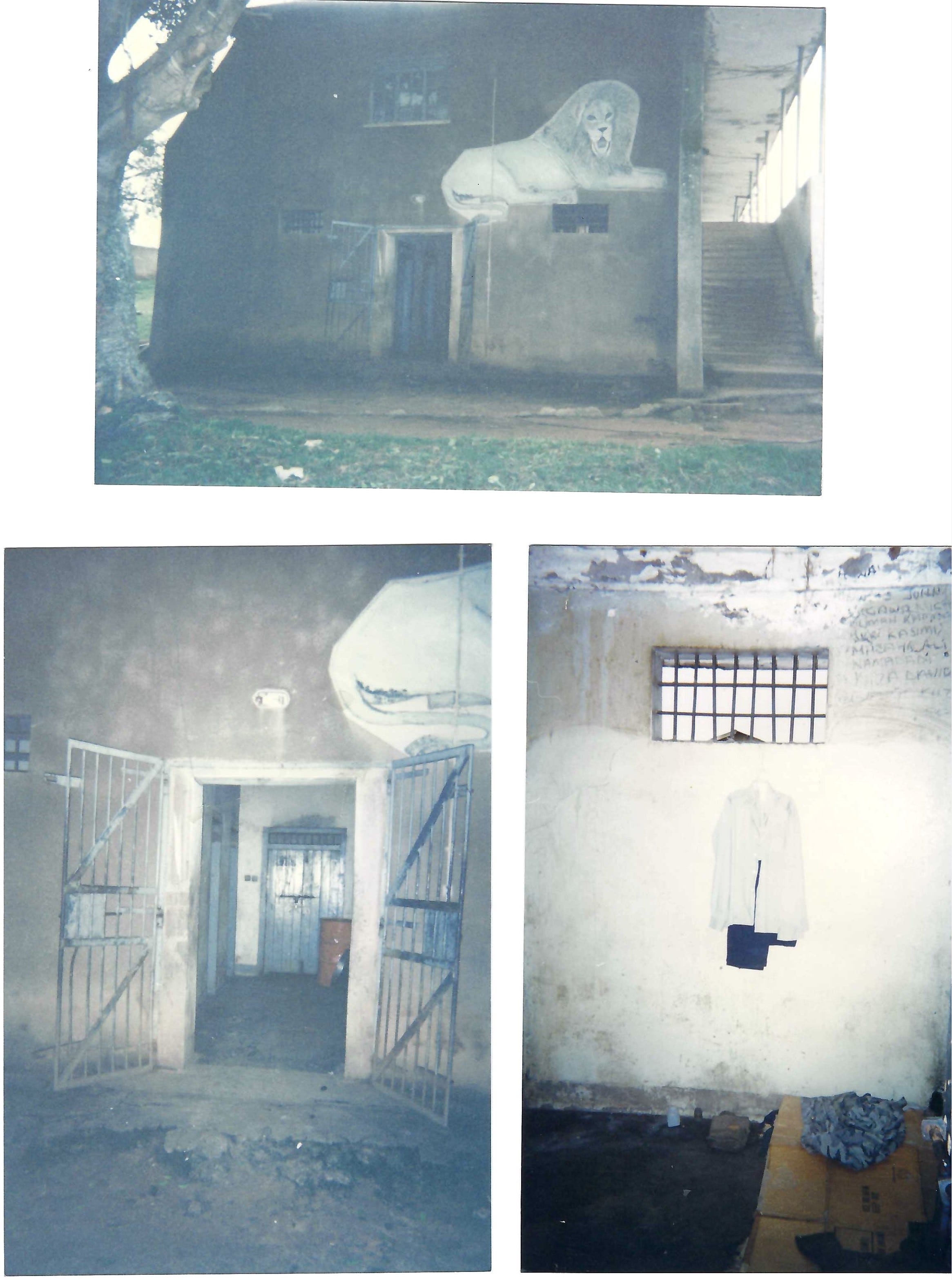
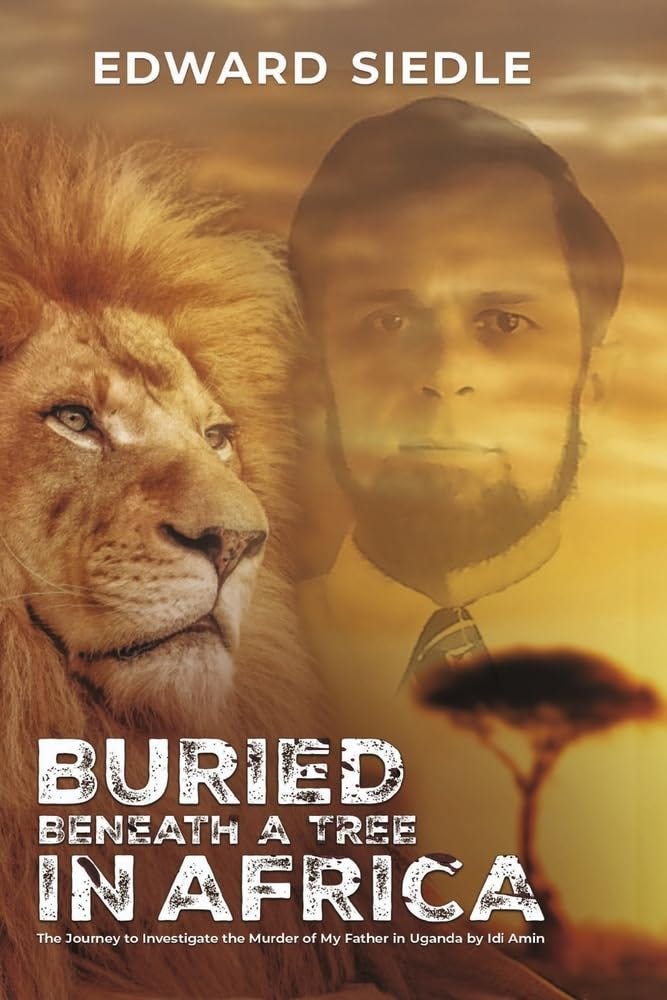
For example, when I returned to Uganda, East Africa in 1998—nearly 30 years after my father’s disappearance and murder in the country—with the assistance of our CIA and the Ugandan Army, I interviewed eyewitnesses to his murder who were in prison on Death Row for other murders they had committed. With a team of hired hands, I dug for my father’s remains in a remote location one of the witnesses identified. My journey back to Uganda is chronicled in the book, Buried Beneath a Tree In Africa. Despite the international intelligence agency and legal elements, my book is about a son grieving the disappearance and murder of his father.
Director Warnock says POMC is also starting a new Unsolved Cold Case Committee to help with unsolved cases and the POMC Community Outreach Response Program (CORT) has been created to help respond to mass murders and provide resources for the families impacted.
For those who have been cruelly bereaved by the murder of a loved one, holidays, anniversaries and birthdays can be especially painful. If you, or someone you know struggles with such complex grief, contact POMC. They know how to listen.
“If people need information or to make donations they can go to www.pomc.com and go to the “donate now” button on the home screen or call us at 1-888-818-POMC,” says POMC’s Warnock.
https://pensionwarriorsdwardsiedle.substack.com/p/parents-of-murdered-children-support?utm_source=direct&r=1tfae7&utm_campaign=comment-list-share-cta&utm_medium=web&comments=true&commentId=304916251
This is a very worthy, yet unaddressed cause. I will donate as soon as I can. It is sad that this is widely overlooked.