

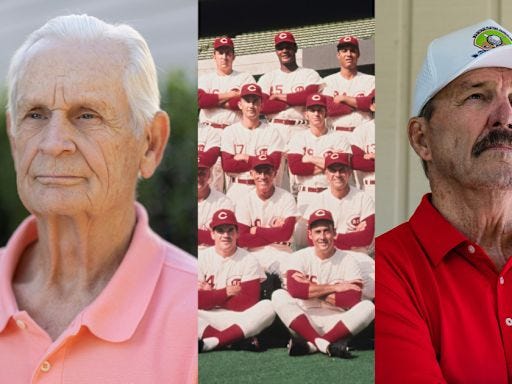
When “Baseball’s Greatest Catcher,” Hall of Famer Johnny Bench and fellow baseball great Kurt Bevacqua, met with me recently to talk about a group of retired ballplayers who hope to receive the same retirement benefits granted more recent players, I was happy to get involved.
“Miscalculations of players’ service time may violate the Employee Retirement Income Security Act of 1974, which governs pensions, said Edward Siedle, a lawyer at Benchmark Financial Services in Florida, who conducts forensic investigations of pensions and who has been consulted by some of the players.
“Under ERISA, employers must maintain records sufficient to determine each employee’s pension benefits — including the service, hours, compensation, and other employment data,” said Siedle. “Incomplete records can support a claim for benefits.” Given the enormous salaries many current-day baseball players receive, the retirees said they recognize fans may not be sympathetic to their complaints. But when these men were in the game, they made a fraction of what today’s players earn, a fact their pensions reflect.
In 1976, the Major League Baseball minimum wage was $19,000, according to the Baseball Almanac, rising to $60,000 10 years later. Today that minimum wage is $780,000.
Read the entire NBC News article by Gretchen Morgenson here.
Johnny Bench was my childhood hero